Partner’s Perspective: Legacy Is Not Inherited. It Is Engineered.
Exploring how lived experiences become structure and how entrepreneurship evolves into an enduring legacy.
– 4 min read
Exploring how lived experiences become structure and how entrepreneurship evolves into an enduring legacy.
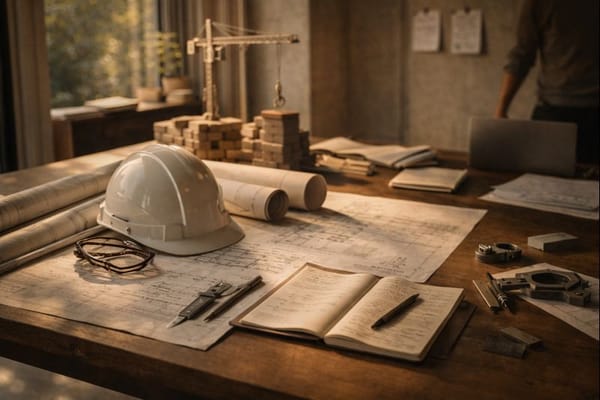
In the last Partner’s Perspective, we explored the idea that legacy is rehearsed long before wealth arrives, in the imagination, posture, and discipline of those building toward something greater than themselves. This perspective builds on that foundation, moving from mindset to inheritance, from rehearsal to responsibility.
Legacy is a powerful word. Yet for many of us, it was never a family conversation.
It was not discussed at the dinner table, mapped out in notebooks, or passed down in carefully labeled folders. Legacy lived quietly in the background. It showed up in how our elders moved through the world, how they worked, how they survived. It was modeled, not named. Practiced, not explained.
For a large portion of the global diaspora, legacy was something you lived inside of, not something you planned.
We grew up watching entrepreneurship in motion.
Not the polished, investor-facing version that dominates today’s narratives. We witnessed the raw kind. The kind built in basements, back rooms, beauty shops, kitchens, taxis, construction sites, and corner stores. The kind that required improvisation, sacrifice, and faith, which did not always have a language attached to it.
Entrepreneurship was not a lifestyle choice. It was a response to constraint.
Our grandparents stitched together livelihoods from whatever the world made available. Sewing machines, side jobs, informal trade, small storefronts, liquor stores, body shops, and above all, community trust. They did not wait for opportunity. They created it. Their businesses were lifelines. Profit was secondary to survival. Longevity was hoped for, but rarely designed.

Our parents became the bridge generation.
They worked multiple jobs. They launched side businesses while holding down full-time roles. They carried the weight of survival and aspiration at the same time. They tried to honor what came before while reaching for something more stable, more secure, more transferable.
They created opportunity out of thin air, often without access to institutional capital, formal mentorship, or strategic guidance. They were navigating systems that were not built with them in mind.
Our elders built with grit, instinct, and prayer.
They lacked consultants, succession plans, and sophisticated financial structures. They had intuition. They had community. They had an extraordinary work ethic. What they did not always have were the tools to convert effort into assets, or activity into something that could outlive them.
They taught us resilience. They taught us creativity. They taught us how to build.
What they could not always teach us was how to document, protect, and transfer.
They built businesses, but they did not always build balance sheets. They created income, but not always inheritance. They generated momentum, but not always continuity.
No one had transferred anything to them. And when something was passed down, it was often fragile, contested, or unsupported by systems that could protect it. They were first-generation dreamers, not legacy architects. Their systems were embedded in their minds, their hands, and their habits. When they stopped working, the system often stopped with them.
And so here we stand.

A generation that witnessed entrepreneurship up close but did not receive the blueprint for legacy. We inherited the spark, not the structure. The ambition, not the architecture. The example, not the ecosystem.
We are not responding to a lack of effort from those before us, but to a lack of systems that could protect what little was passed down.
Legacy may begin in the imagination, but it is sustained only through structure.
This is not a deficit. It is a responsibility.
We are the generation tasked with translation. By turning memory into methodology. By transforming hustle into heritage. By evolving what we saw into systems that can endure across time, borders, and generations.
This work sits at the intersection of movement, method, culture, and inheritance, the same forces that shape how wealth travels and how legacy takes root across generations and geographies.
This is where the work truly begins.
Not with shame. Not with blame.
But with awareness, and with the courage to build what our families never had access to.
Legacy posture is not about where you start. It is about how intentionally you build from where you are.
It is the shift from watching entrepreneurship to engineering continuity. From surviving cycles to stewarding systems. From effort-driven income to designed inheritance.
For the I-Invest reader, this is not a theoretical concept. Legacy posture is structural. It shows up in how businesses are documented, how ownership is defined, how assets are held, how risk is managed, and how decisions are made with successors in mind.
This is not about doing more. It is about building differently.
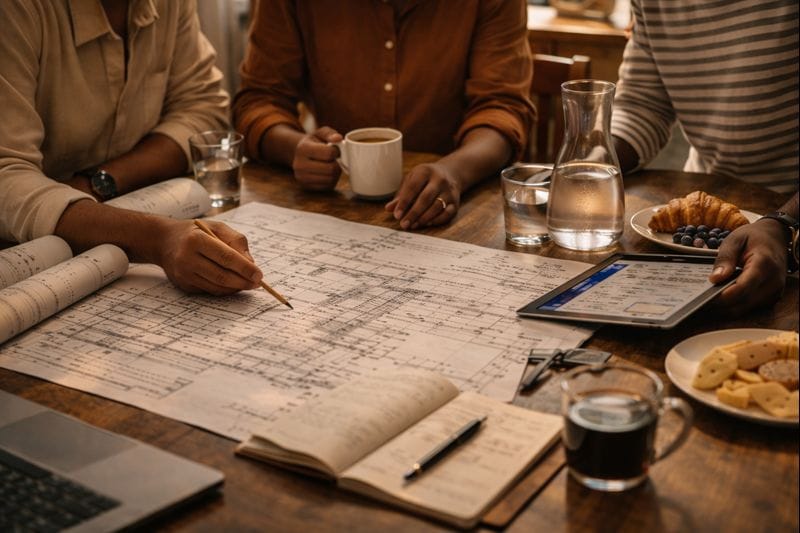
Legacy is not a milestone to reach. It is a living practice.
It shows up in how we build relationships, how we tell the stories of those who came before us, and how intentionally we steward what passes through our hands. It asks us to lead with emotional intelligence as much as financial literacy, recognizing that wealth carries identity, memory, responsibility, and community alongside opportunity.
This is the human side of leadership. The understanding that capital does not exist in isolation, and that every decision we make echoes beyond ourselves into futures we may never personally witness.
Partnership, in this context, is not a title. It is a mindset. It involves a willingness to nurture the entire ecosystem—people, culture, trust, and the long-term vision of what we are building together.
We are not simply accumulating. We are practicing. We are stewarding.
And with intention, we are building something worthy of being carried forward.
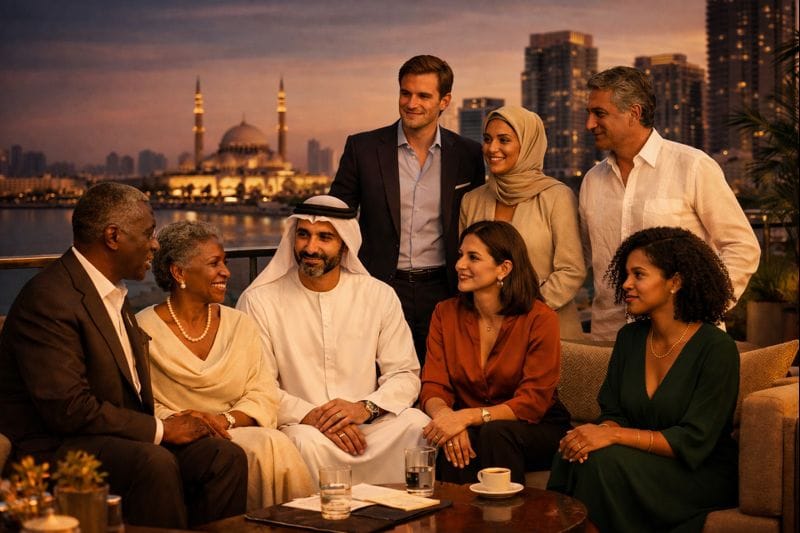
From surviving to stewarding, we enter the posture of legacy.
Where wealth becomes care.
Where leadership becomes guardianship.
And where our work is no longer about what we can achieve, but what we are trusted to protect and pass forward.